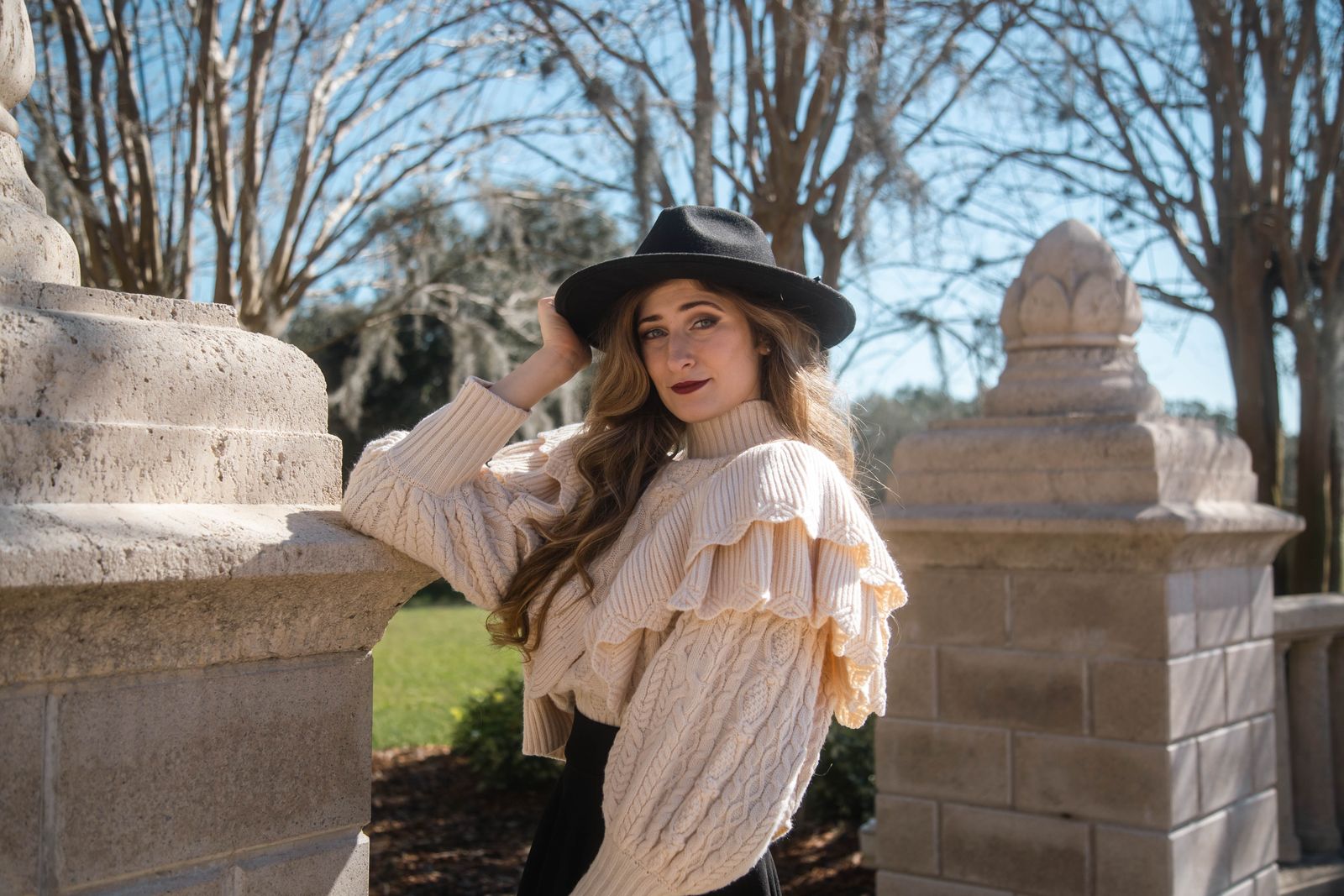
Preventing Moth Damage in Off-Season Knitwear: A Seasonal Storage Guide
Wondering why mysterious holes appear in your favorite short-length cardigans after a summer in the closet? To prevent clothes moth damage, thoroughly hand-wash or dry-clean all garments before packing them away to remove invisible skin oils and keratin sources. Store clean, flat-folded knits—especially delicate batwing cardigans—in breathable canvas storage boxes or sealed polypropylene bins using natural cedar blocks or lavender sachets, avoiding unsealed plastic or open hanging.
Visual Workflow: The 5-Step Off-Season Knitwear Storage Process
- 1. Inspect Garment → Yes: Move to Step 2: Wash. No: Isolate garment for freezing if larvae/frass suspected.
- 2. Deep Clean Knit → Yes: Move to Step 3: Complete Dry. No: Re-wash with pH-neutral delicate wool shampoo.
- 3. Complete Air Dry → Yes: Move to Step 4: Flat File Fold. No: Extend flat drying on sweater rack (never hang wet).
- 4. Flat File Fold → Yes: Move to Step 5: Sealed Container Storage. No: Avoid hangers to protect batwing sleeve seams.
- 5. Store with Natural Repellents → Yes: Safe for off-season storage!. No: Add fresh cedar blocks or lavender sachets near container walls.
Moth Damage Diagnostic Matrix: Identifying Risk Factors & Early Signs

Photo by Breno Cardoso on Pexels
| Damage Indicator | Visual Symptoms | Root Cause | Immediacy Level | Remediation Action |
| --- | --- | --- | --- | --- |
| Irregular Irregular Holes | Clean-cut yarn threads forming random holes near underarms or chest folds. | Tineola bisselliella (webbing moth larvae) consuming keratin and organic residues. | High (Active Infestation) | Isolate knit immediately. Freeze at 0°F (-18°C) for 72 hours, then hand-wash with gentle detergent. |
| Silky Webbing Trails | Fine white webbing or delicate spiderweb-like patches on yarn surfaces. | Case-bearing or webbing clothes moth larvae creating protective feeding tunnels. | Critical | Vacuum container thoroughly. Heat-treat or freeze all stored knits; discard heavily damaged items. |
| Granular Frass Pellets | Tiny sand-like specks matching garment color scattered inside sweater folds. | Moth larvae fecal matter left behind during active feeding. | High | Brush knit with soft garment brush outdoors, then submerge in cold soapy water wash. |
| Frayed Surface Fuzz (Pilling) | Tangled balls of fiber clinging to high-friction spots like sleeve undersides. | Friction and abrasion from normal wear against outer jackets or bags. | Low (Cosmetic) | Use a fabric shaver or cashmere comb. No pest treatment required. |
Leading with early failure modes allows you to intervene before clothes moth larvae destroy entire knitwear collections. Review the symptoms below to determine whether your garment has an active infestation or simple surface wear.
Pro Tip: Why Cleanliness and Temperature Control Outperform Chemical Mothballs
Traditional naphthalene mothballs leave pungent chemical odors that cling to soft knitwear indefinitely and pose health risks for households with children or pets. Modern textile conservators rely on a two-pronged natural strategy: thorough cleaning and thermal decontamination.
Adult female clothes moths (Tineola bisselliella) do not eat fabric; their larvae do. Female moths are attracted to micro-residues of body oils, perspiration, skin flakes, and food splatters left on garments. Even if a cardigan looks clean after a single evening out, invisible skin oils act as a nutrient magnet for hatching larvae. Cleaning every knit before storage starves larvae before they start feeding.
If you suspect moths in your wardrobe space, execute a deep freeze cycle: place garments inside sealed heavy-duty freezer bags and freeze them at 0°F (-18°C) for 48 to 72 hours. This thermal shock destroys all life stages—eggs, larvae, and adult moths—without subjecting soft knits to harsh dry-cleaning chemicals or heat damage.
Pre-Storage Moth Prevention & Garment Inspection Checklist
- Inspect high-risk spots (underarms, cuffs, folds) under bright light for tiny web structures or larvae frass.
- Launder all cardigans using a gentle pH-neutral detergent to eliminate invisible skin oils and food micro-residues.
- Ensure knits are 100% dry before packing to avoid moisture trapping and mold formation.
- Vacuum storage closets, shelves, baseboards, and bin interiors before loading garments.
- Lightly sand existing cedar blocks with fine-grit sandpaper to re-activate essential natural aromatic oils.
- Place lavender sachets or cedar blocks near, but not directly resting on, delicate light-colored knits.
- Fold cardigans flat—especially batwing and short V-neck styles—rather than hanging long-term.
Storage Method Decision Tree: Hanging vs. Folding Delicate Silhouette Knits
- Is the cardigan styled with batwing sleeves or heavy sweater yarn? → Yes: Fold flat in canvas or polypropylene bin. Do NOT hang (prevents stretched shoulder seams).. No: Evaluate closet space: short lightweight knits may hang on padded hangers for short term.
- Is your off-season storage located in an unconditioned attic or basement? → Yes: Use airtight polypropylene storage bins with silicone gaskets and silica moisture packs.. No: Use breathable 100% cotton canvas zippered chests in a bedroom closet.
- Have you added natural pest deterrents to the container? → Yes: Ready for off-season storage! Check container every 90 days.. No: Insert fresh cedar blocks wrapped in tissue paper before sealing.
Key Takeaways for Long-Term Knit Protection
- Cleanliness is your first line of defense: Never store worn knits. Washing removes invisible scent markers and keratin-rich oils that attract clothes moths.
- Fold, don't hang statement silhouettes: Short-length cardigans with bat sleeves lose their shape when hung for months. Gentle flat folding preserves structural integrity.
- Natural repellents require maintenance: Cedar blocks and lavender sachets repel adult moths effectively, but cedar must be sanded every season to refresh its essential oils.
- Container choice depends on room humidity: Breathable cotton canvas works best in climate-controlled bedrooms, while gasket-sealed plastic containers protect knits in humid spaces.
Featured Preservation Piece: The Butterfly Wing Cardigan
Looking to upgrade your chilly-weather wardrobe with an effortless, cozy layer? The Butterfly Wing Cardigan brings head-turning charm to any outfit with its signature wing pattern, flattering V-neck opening, relaxed batwing sleeves, and versatile short length. Crafted from soft, cozy knit fabric, it is designed for effortless layering over tees or dresses.
Keep your unique knits looking boutique-fresh season after season by following our non-toxic storage steps above!
Container & Deterrent Selection Guide: Which Option Suits Your Wardrobe?
Match your storage container and natural repellent combination to your home's storage location and humidity conditions.
Best choice for
- Airtight Polypropylene Bins with Silica Gel Packs & Cedar Blocks — Prevents moisture ingress and mold growth while cedar essential aroma deters adult female moths from entering.
- Breathable Heavy Cotton Canvas Zippered Storage Chests — Allows natural fiber ventilation while presenting a physical barrier against flying clothes moths.
- Traditional naphthalene mothballs (leaves permanent toxic residue and harsh odors)
- Cardboard shoe boxes (glues contain starches that attract silverfish and insects)
- Storing garments unwashed after a single wear (perspiration and skin oils attract pests)
- Freezer Decontamination Cycle (48 hours at 0°F / -18°C) — Eradicates undetected moth eggs without chemicals before placing knits into long-term storage.
Side-by-Side Analysis: Moth Damage vs. Wear-and-Tear

Photo by Sıla Onorevole on Pexels
| Diagnostic Attribute | Clothes Moth Damage (Pest) | Mechanical Friction Wear (Snag/Pill) |
| --- | --- | --- |
| Hole Geometry | Irregular, scattered holes with chewed thread ends. | Clean severed loops or elongated snags along seam lines. |
| Debris & Residue | Silken webbing, granular frass specks, or larval casings present. | No webbing or sand-like grains; loose fiber fuzz or pill balls. |
| Garment Location | Hidden dark areas: underarms, inner collars, garment folds. | High-friction areas: outer cuffs, hip lines, elbow points. |
| Fiber End Appearance | Microscopically chewed or blunt-severed yarn ends. | Frayed, pulled, or stretched yarn loops. |
| Primary Cause | Larvae feeding on keratin, skin oils, and food spots. | Abrasion against purse straps, desk edges, or seatbelts. |
Distinguishing between pest feeding damage and mechanical yarn wear helps you take the right corrective action for your wardrobe.
Step-by-Step Guide: Cleaning, Prepping, and Sealing Knitwear
Follow this practical five-step routine when wrapping up the season to guarantee clean, fresh cardigans when cold weather returns.
5 Deadly Storage Mistakes That Invite Moth Infestations
Avoid these common storage missteps that leave delicate knits vulnerable to hidden pest damage.
Frequently Asked Questions About Preventing Moths in Stored Knitwear
Answers to common concerns about preserving soft statement cardigans and repairing knitwear.
Immediate Actions for Off-Season Knit Preservation
Your decision: Determine whether your storage space is climate-controlled or exposed to humidity, then select breathable cotton canvas bins or gasket-sealed plastic storage accordingly.
Do this next: Deep-wash all cardigans before storing, fold heavy batwing silhouettes flat, and place fresh natural cedar blocks or lavender sachets inside container edges.
Related resource: Download our Printable Off-Season Storage Checklist to track your washing dates and repellent refreshes.
Check out the Butterfly Wing Cardigan for a versatile, stylish statement piece built for effortless seasonal layering.
Protecting your wardrobe requires a quick seasonal routine. Start by washing your favorite cardigans, prepping your storage space, and adding fresh natural cedar.
Related Knitwear Care & Maintenance Guides
Link to cluster and pillar pages to continue reader journey.
Cover photo by Winny Rivas on Pexels.