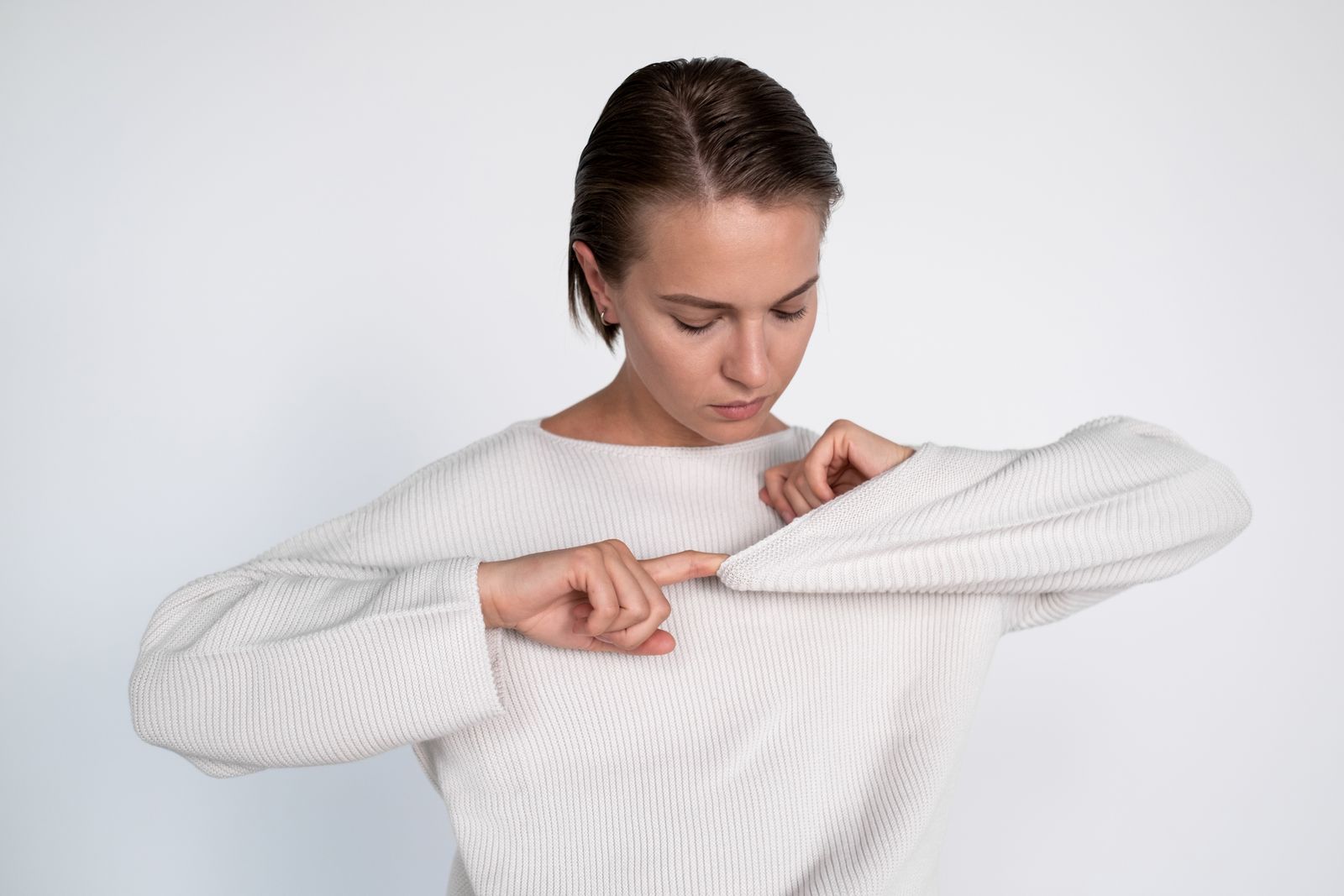
Hand Wash vs. Machine Gentle Cycle: What Is Best for Unique Bat-Sleeve Knits?
Should you hand wash or use the delicate machine cycle for your statement knit? Hand washing is strictly the safest method to protect dramatic batwing underarm seams and intricate butterfly wing patterns from heavy stretching. However, a gentle machine cycle is fully acceptable if you accordion-fold the cardigan inside a tight mesh wash bag, use cold water (under 30°C / 86°F), and cap spin speeds at 400 RPM.
At-a-Glance: Hand Wash vs. Delicate Machine Cycle
| Laundry Scenario & Need | Hand Wash in Basin | Machine Gentle Cycle (with Mesh Bag) | Seam & Pattern Risk Level |
| --- | --- | --- | --- |
| Scenario: Cleaning continuous batwing underarm seams without strain | Zero mechanical agitation; zero seam pulling. Gentle compression only. | Mild drum tumbling; potential minor drag if mesh bag allows internal movement. | Hand Wash: Zero Risk | Machine: Low-to-Moderate Risk |
| Scenario: Protecting raised butterfly wing knit motifs from friction | Fabric remains submerged without surface rubbing against metal drum walls. | Mesh wall acts as barrier, but slight friction occurs during wash cycles. | Hand Wash: Minimal Friction | Machine: Moderate Friction |
| Scenario: Managing heavy water weight during spin & extraction | Water pressed out manually via towel roll; absolute tension control. | Centrifugal force pushes water outward; restricted if capped at 400 RPM. | Hand Wash: Safe Manual Control | Machine: High Risk if >600 RPM |
| Scenario: Routine maintenance wash when short on time | Requires 15–20 minutes of active soaking, pressing, and careful towel rolling. | Requires 2 minutes to fold, bag, and set cold delicate cycle options. | Hand Wash: High Time Investment | Machine: Ultra-Convenient |
Compare laundering approaches across specific real-world wear and wash scenarios to protect your statement knits from seam distortion and fiber fatigue.
Pros and Cons of Each Washing Method
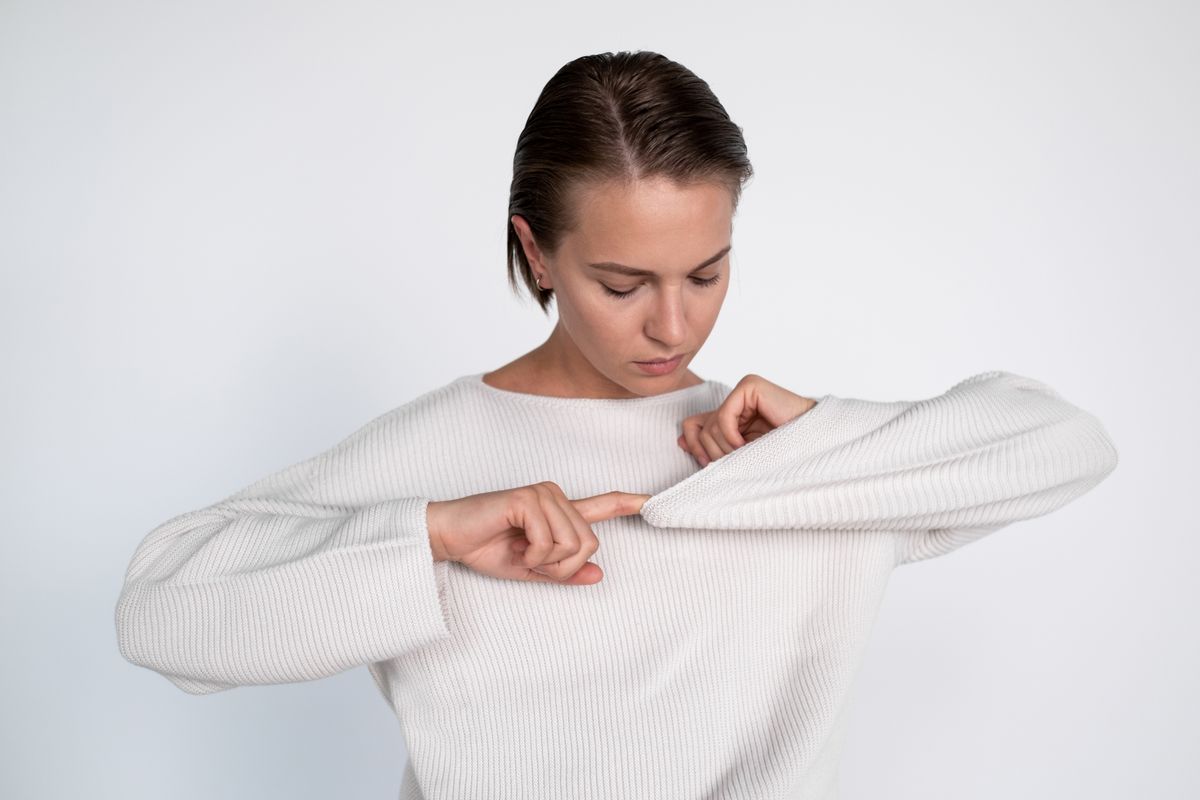
Before choosing how to refresh your favorite short V-neck cardigan, consider the trade-offs between physical fiber preservation and modern convenience. Failure to manage friction and centrifugal force can permanently ruin your cardigan's drape.
Hand Washing
- Pros: Complete control over water temperature and pressure; zero centrifugal pull on batwing armpit joins; extends garment lifespan dramatically; preserves soft knit texture.
- Cons: Time-intensive process; requires careful towel-rolling to extract water; risk of improper wringing if twisted carelessly.
Machine Gentle Cycle (in Mesh Bag)
- Pros: Highly convenient for busy schedules; consistent cold-water temperature control; automated rinsing reduces detergent residue.
- Cons: Risk of sleeve stretching if spin exceeds 400 RPM; potential pilling from drum movement; top-loading agitators can catch deep V-neck openings.
Pro Tip: The Accordion-Fold Mesh Lock Technique
The single biggest threat to batwing cardigans during a machine cycle is not the water—it is internal shifting inside the laundry bag. When wide batwing sleeves slide around freely inside a loose mesh bag, they gather water weight, flop outward, and stretch continuous arm-to-torso seams.
To lock your knit structure in place:
Failure Modes: Laundry Errors That Ruin Statement Knits
Statement knits with unique silhouettes fail dramatically when washed like standard everyday cotton T-shirts. Avoid these critical laundering failure modes to keep your butterfly pattern crisp and your sleeves balanced:
- Washing Loose Without a Mesh Bag: Allowing batwing sleeves to float freely in the drum causes them to wrap around other clothing items. As the wash drum spins, the weight of tangled garments pulls hard on underarm seams, resulting in unequal sleeve lengths and sagging shoulders.
- Using Top-Loading Washers with Agitators: Central agitator posts are notorious for catching V-neck openings and snagging delicate knit patterns. The twisting motion places concentrated force right on the continuous wing construction, causing fiber tearing or permanent distortion.
- High Spin Speeds Above 600 RPM: Standard spin cycles generate intense centrifugal force. When heavy, wet knit fabric is forced against the drum wall at high speeds, the wide sleeve openings stretch outward, pulling the entire short waist hem out of alignment.
Decision Flowchart: How Should You Wash Your Cardigan Today?
- Is your washing machine a top-loader with a central agitator post? → Yes: HAND WASH REQUIRED: Central agitators stretch batwing sleeves and catch V-neck edges.. No: Move to next question.
- Do you have a fitted mesh wash bag available? → Yes: Move to next question.. No: HAND WASH REQUIRED: Unenclosed batwing sleeves tangle and stretch under load.
- Can your machine spin speed be manually restricted to 400 RPM or lower? → Yes: MACHINE GENTLE CYCLE SAFE: Accordion-fold into mesh bag, use cold water wash.. No: HAND WASH RECOMMENDED: High spin speeds cause water weight seam drag.
Visual Packing Guide: Mesh Bag Folding
Refer to this visual blueprint when folding batwing sleeves for safe machine laundering.
Essential Rules for Batwing Knit Preservation
- Never wash a batwing knit in a machine with a central agitator post.
- Always accordion-fold wide batwing sleeves tightly across the torso inside a fitted mesh bag.
- Restrict machine spin speed to a maximum of 400 RPM to neutralize centrifugal seam drag.
- Use cool or cold water (under 30°C / 86°F) and pH-neutral liquid wool wash.
- Never hang wet knits to dry; always roll in a towel and flat-dry to preserve shoulder structure.
Choosing the Right Method for Your Cardigan
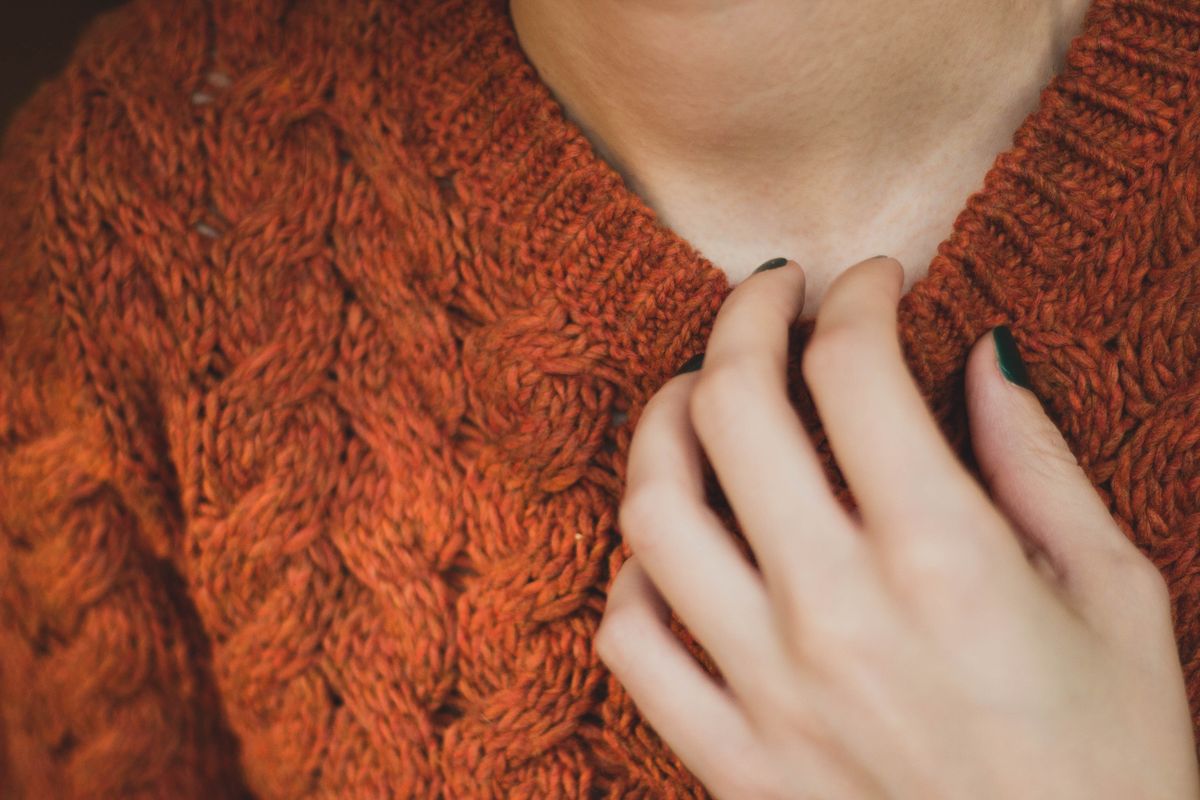
Photo by Valeria Boltneva on Pexels
Hand washing strictly eliminates mechanical drag on delicate butterfly wing motifs and continuous underarm seams, while front-loading machine gentle cycles with mesh bags provide a safe, time-saving alternative.
Best choice for
- Hand Wash in Wash Basin — Eliminates all drum friction and centrifugal seam tension, keeping fibers perfectly intact.
- Front-Load Machine Delicate Cycle — Saves time when combined with the Accordion-Fold Mesh Lock technique and a 400 RPM spin cap.
- Top-loading washing machines with a central agitator pole
- Spin cycles operating above 600 RPM
- Hanging wet cardigans on hangers after washing
- Spot Clean & Steam Airing — Ideal for minor smudges or quick freshening, eliminating water weight on seams entirely.
Preserve Your Favorite Statement Piece
Proper laundering techniques ensure your favorite knits retain their charming drape and eye-catching details season after season. Discover our centerpiece design crafted for effortless style:
- Butterfly Wing Cardigan: Features a stunning butterfly wing knit pattern across the back and shoulders, styled with a trendy front open V-neck and playful bat sleeves. Designed in a flattering short length from cozy, soft knit material, it is the ultimate whimsical layering piece for cool weather.
Real-World Washing Scenarios
Light Odor Refresh After Evening Out — Do not fully submerge. Hang the cardigan in a well-ventilated, shaded room or steam lightly to refresh fibers without introducing water weight.
Coffee or Sauce Stain on the Front V-Neck — Perform a localized spot wash. Dab the V-neck hem gently with lukewarm water and mild detergent using a microfiber cloth. Avoid wetting the heavy batwing sleeves.
End-of-Season Deep Wash Before Storage — Perform a full hand wash in cold water using a pH-neutral liquid wool detergent. Gently press out moisture in a clean white towel and flat dry away from sunlight before folding.
Apply these targeted laundering strategies based on your daily wear situation:
To understand why batwing cardigans require specialized wash care, one must look at garment physics. Unlike standard fitted sweaters where sleeve seams sit directly at the shoulder ridge, batwing cardigans feature a continuous, sloped arm-to-torso construction. This sweeping silhouette creates an airy, fashionable fit, but it also alters how water weight distributes across the fabric during laundering.
When knit fabric becomes saturated with water, its weight increases by up to 250%. In a standard sweater, that extra weight hangs directly down from reinforced vertical shoulder seams. In a batwing cardigan, however, the extra water gathers inside the deep, draped wing folds beneath the arms.
If you submerge a batwing cardigan loosely in a machine wash, those wet, wide sleeves swing independently during drum rotation. As the drum turns, the centrifugal force pulls the wet sleeve mass outward. Because there is no rigid shoulder seam to anchor the sleeve, that gravitational pull transfers straight into the delicate V-neck collar and central spine knit pattern.
Over multiple standard wash cycles, this continuous pull leads to three main structural issues:
By utilizing either a gentle hand wash basin or an accordion-folded mesh wash bag, you immobilize the wide sleeves. Supporting the wet fabric weight throughout the wash cycle neutralizes seam drag and preserves your cardigan's charming silhouette for years of cozy layering.
Frequently Asked Questions
Get fast answers to common laundering questions regarding statement knitwear care.
Your Laundry Day Action Plan
Your decision: Determine if your washing machine setup supports low-spin delicate settings and if a tight mesh bag is available.
Do this next: If machine washing, fold the cardigan using the Accordion Technique into a mesh bag and set water to cold (under 30°C / 86°F) with spin capped at 400 RPM.
- Read next: How to Reshape and Dry Your Batwing Sleeve Cardigan Without Sagging
- Read next: The Best Gentle Detergents for Soft Statement Knits
Explore the unique silhouette of our Butterfly Wing Cardigan to see how proper care maintains its signature drape.
Follow these final steps before caring for your favorite short V-neck statement cardigan.
Continue Caring for Your Statement Knits
Internal links to drying, storage, and detergent selection guides.